
New South Wales has become the first Australian jurisdiction to legalise terramation – human composting – as a third option alongside burial and cremation. Independent Sydney MP Alex Greenwich’s private member’s bill, the Public Health Amendment (Terramation) Bill 2026, passed both houses of parliament unanimously in mid-October. After assent, the key provisions will not take effect for two years, so the earliest anyone can be turned into soil is around 2029.
The process is straightforward in outline, if theatrical in execution. A body is placed in a specialised vessel with carbon-rich organic material – straw, hay, woodchips, lucerne or similar – then sealed. Airflow, moisture and temperature are controlled while the vessel is gently rocked or aerated for periods each day. Microbial activity does the rest.
After roughly 30–40 days most soft tissue is gone; remaining bones are removed, ground (as in cremation) and mixed back in. A further resting or curing period follows.
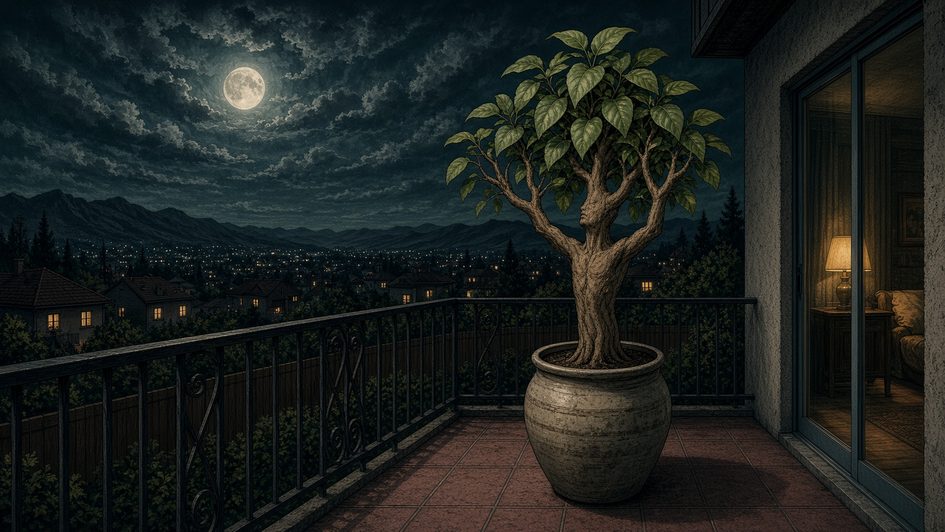
The result is approximately one cubic metre of nutrient-rich soil – around 110 kilograms – which families can take home, use to plant a memorial tree or garden, or donate for land regeneration.

Sydney’s well-documented shortage of burial plots, particularly for some religious communities on Crown land, and the carbon cost of cremation were among the practical arguments. Greenwich noted that stakeholders including religious groups and the Australasian Cemeteries and Crematoria Association did not oppose the legislation.
Several MPs, including Labor’s Cameron Murphy, Greens Amanda Cohn and Libertarian John Ruddick, volunteered that they would choose it for themselves. Liberal upper house member Susan Carter did not vote against it but warned that terramation should not simply become “a human compost bin” and that respect for the body remains tied to respect for the living.
Overseas, the practice of terramation is legal in 14 US states and in parts of Germany. Catholic bishops in the United States have opposed it, arguing that the complete transformation of the body into undifferentiated compost fails to show adequate respect for human remains or to express hope in the resurrection of the body. In NSW the bill passed without comparable resistance.

There is a certain black humour in the timing. Large numbers of people already experience a persistent unease that the human species is about to be wiped out – from nuclear war, AI-driven robot armies, an impending economic collapse, disease, a polar shift, a new ice age, or even an asteroid slamming into Earth.
Official reassurances about managed futures and resilience sit uneasily against the spectacle of a political class that seems less interested in ordinary human life than in whatever comes after it.
Leaders appear oddly detached from the welfare of the citizenry, pushing agendas and managing optics with an indifference to human life that suggests they know something the rest of us do not. Their failure to warn humanity of impending disaster is simply because they don’t want to panic the herd. Meanwhile the elites build underground bunkers inside their walled estates. They will survive. The poverty stricken masses will not.

In Aldous Huxley’s famous book Brave New World (1932), the World State cremates the dead and recovers phosphorus from the gases – more than a kilo and a half per adult corpse – which is then used as fertiliser for plant life.
The living are valued only for their utility; the dead are simply raw material returned to the agricultural system.
The 1973 film Soylent Green makes the logic more blunt: the dead are processed directly into food for the living.
Terramation is a quieter, more bureaucratic, gentler version of the same idea, but the underlying gesture is familiar: the body returned, efficiently, to a usable form.

It is not new to return to the earth. “Dust to dust” is older than industrial death care. Many Indigenous traditions treat return to Country as a continuation rather than an ending.
Terramation accelerates and contains that return inside a vessel, then hands back a usable product. It packages the ancient cycle as a consumer choice between cremation’s heat and burial’s real estate.
In an age of profound unease about whether the species will still have a recognisable place – and about leaders who appear entirely indifferent to the outcome – the option to become potting mix, a fig tree or a contribution to bush regeneration has a darkly practical appeal.
If the larger threats are as serious as some fear, and if official behaviour continues to suggest a quiet knowledge that ordinary continuity is no longer the priority, a percentage of people may prefer to choose their final form rather than leave the outcome to events outside their control.

