
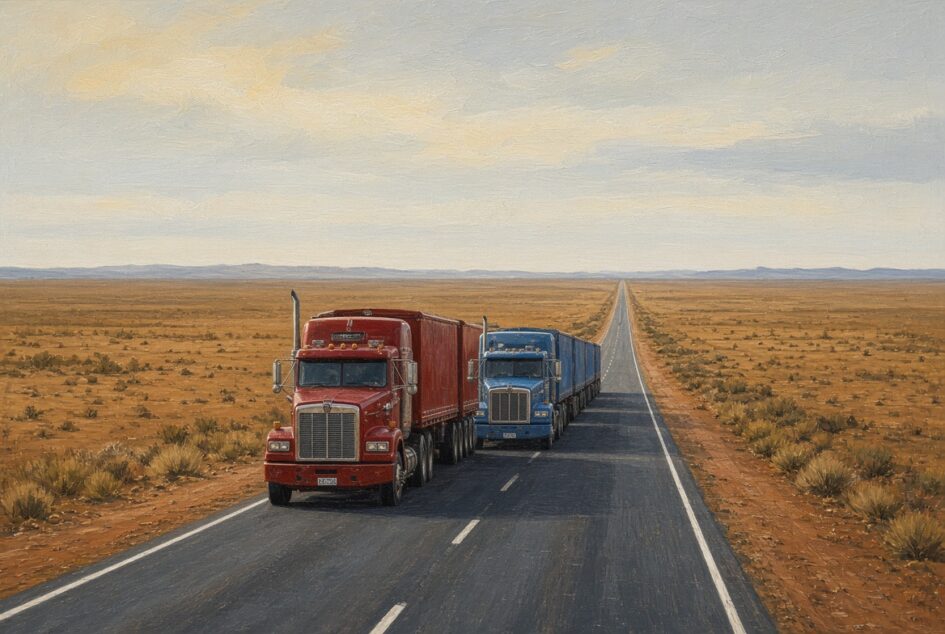
Diesel prices across Australia are holding near $2.76 a litre nationally as of early November, with the December quarter average running at 283.3 cents. Stocks sit at 31 days of cover as of the 3 November government statement — down three days in a week — while the country remains the world’s largest seaborne importer of the fuel.
Australia imported roughly 26 million tonnes of diesel in the year to July, more than any other nation and well ahead of second-placed France. That dependence has grown sharply: industrial diesel use is up about 52 per cent since 2012.
When supplies from the Gulf and Russia tightened earlier this year, importers paid a heavy premium to secure cargoes from South Korea, the United States and other Asian refiners.
The extra cost ran into the billions.
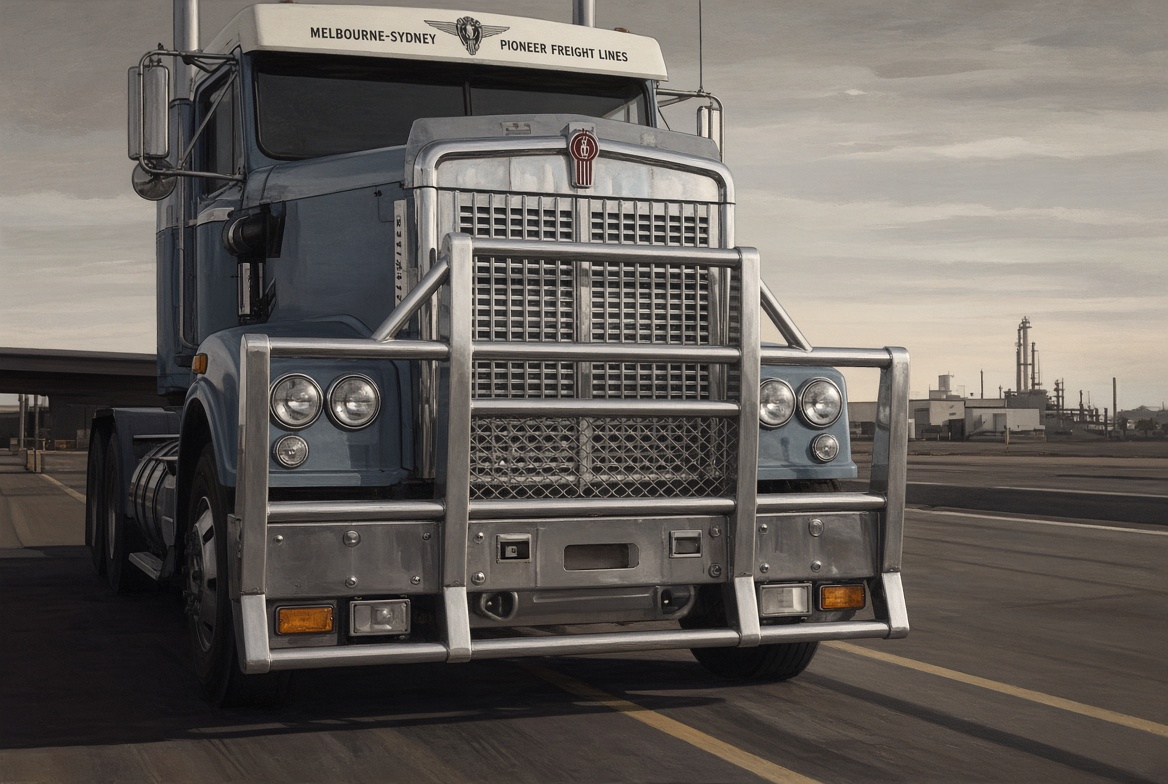
Economist and high profile public commentator Leith van Onselen has called diesel supply “the biggest risk facing the economy right now.”
A sustained shortfall, he argues, would stop freight, empty shelves, halt harvests and shut mines. Petrol shortages are an inconvenience; diesel shortages are systemic. Current arrivals are holding and the government describes stock levels as within a normal range, yet the buffer is thin by international standards and any further disruption in the Strait of Hormuz or among key Asian suppliers would test it quickly.
“If we can’t get it, that is going to drive the economy into recession.”
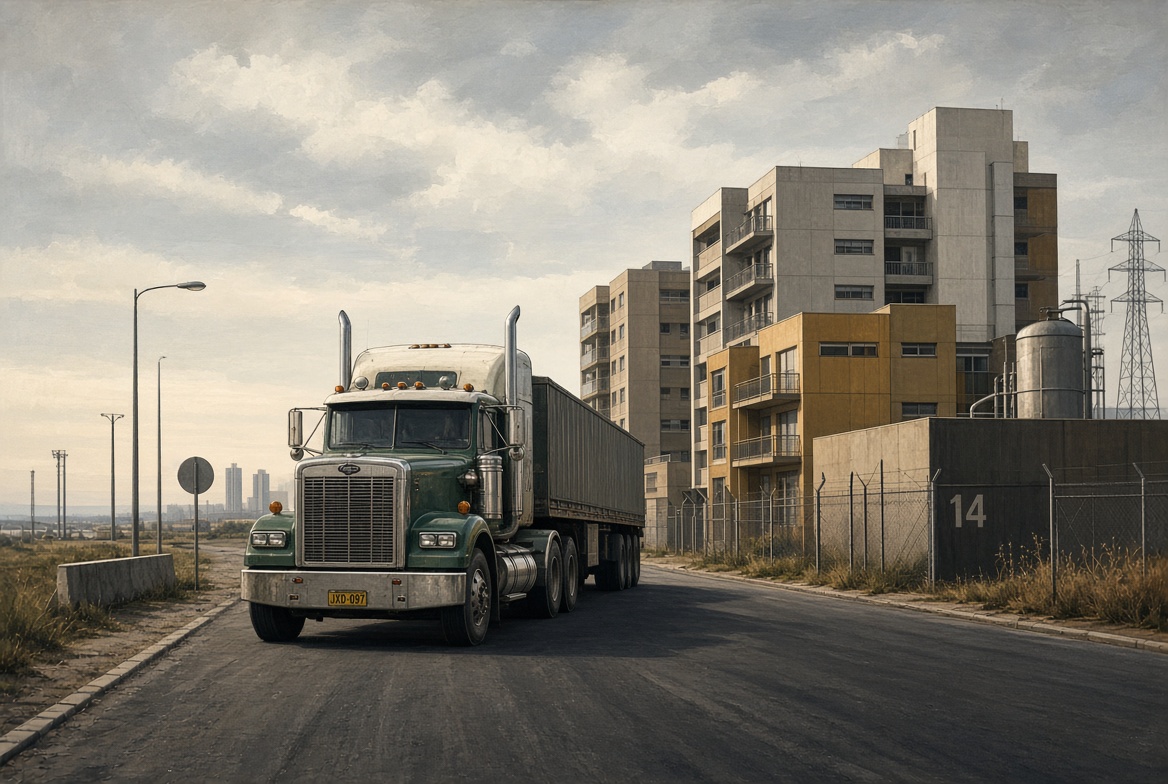
The shift in supply sources has been costly and incomplete. South Korea has become a dominant supplier, but the distances are longer and the margins tighter. Every extra dollar spent on freight and refined product lands on the bowsers and, further down the chain, on the cost of moving cattle, grain, ore and supermarket goods. Mining, construction and long-haul transport remain the heaviest users; a 10 per cent reduction in diesel availability would, according to earlier industry modelling, hit those sectors hardest.
For the operators of the big rigs the calculus is simple and daily. Fuel is the largest variable cost. Elevated prices erode margins on already tight contracts; any genuine shortage forces prioritisation that starts with the most critical loads and quickly reaches the rest.
The trucks themselves — the polished chrome, the custom paint, the sheer engineering of a multi-trailer road train — remain among the most distinctive machines on Australian roads. Their continued movement is what keeps the shelves stocked and the mines open.
Stocks of 31 days are not empty tanks. They are, however, a narrow margin on a long supply chain that ends at the bottom of the world.

Leave a Reply