
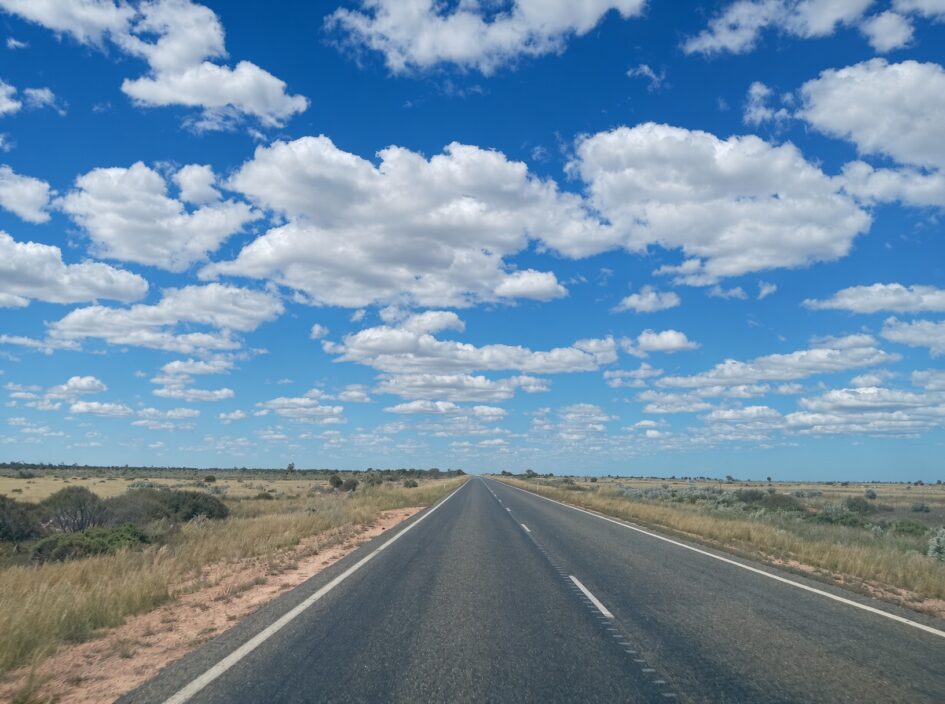
The Nullarbor is supposed to be the place where the country runs out. From the car it is a ruled line, a white edge on bitumen, saltbush and sky, and the long habit of calling it empty. This spring the plain has not kept the bargain.
Rain through the winter, and again in August, reached country that often goes years on the memory of a storm. Cold fronts crossed the Bight and kept going. On the limestone the response is not lushness in the coastal sense. It is a low, even green, saltbush and bluebush filled out, grasses standing where the sheep tracks usually show bare ground, and a softness in the distance that the usual glare does not allow.
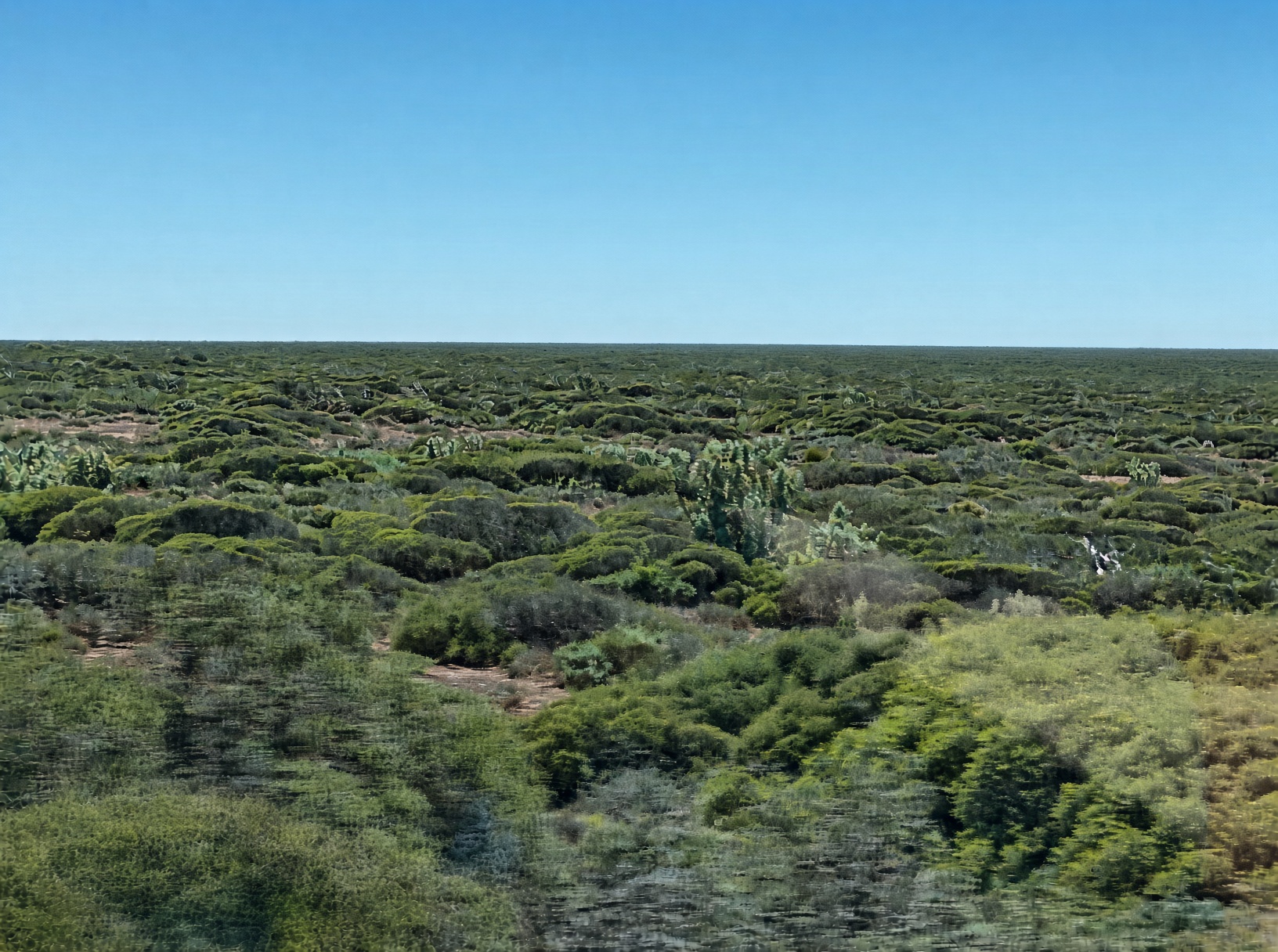
NASA’s satellites caught the same change farther north, in the Murchison: late August 2026 set against the dry year before, the ochre gone under growth. Local people there have called it the best flowering in nearly twenty years, the strongest some of them have seen since 2008. On social media the claim stretches to thirty. Either way, the seed bank has been waiting.
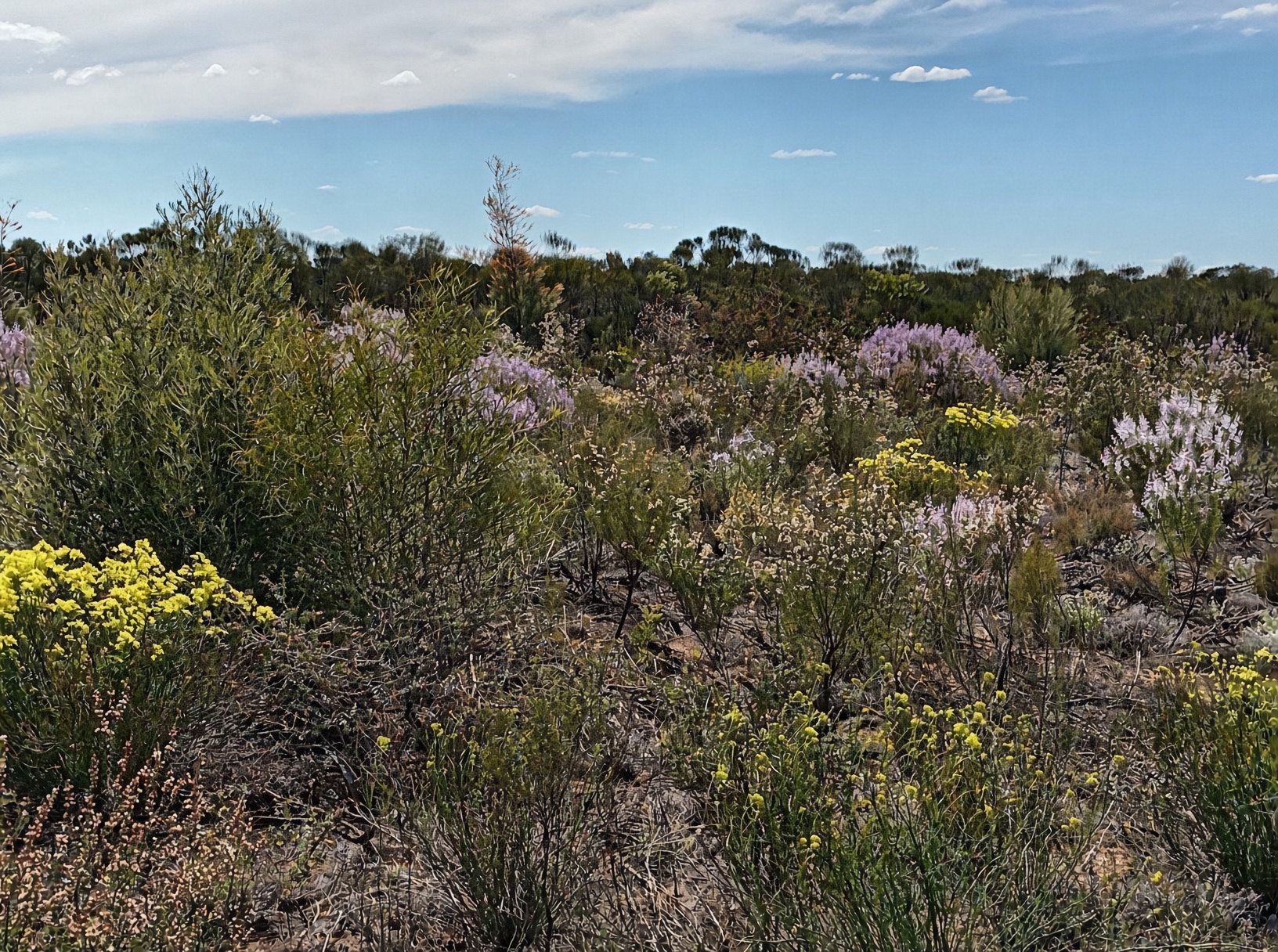
From the road the wildflowers arrive in patches rather than carpets. East of Norseman the scrub is threaded with yellow and a pale lilac, low bushes in flower among the grey-green, the sort of display you miss at a hundred kilometres an hour and cannot miss once you have stopped. Closer to the plain the colour drops out and the green remains. The horizon stays perfectly level. What changes is the texture between the car and that line: no longer a brown crust, but a living mat, broken by the pale scars of tracks and the odd outcrop.
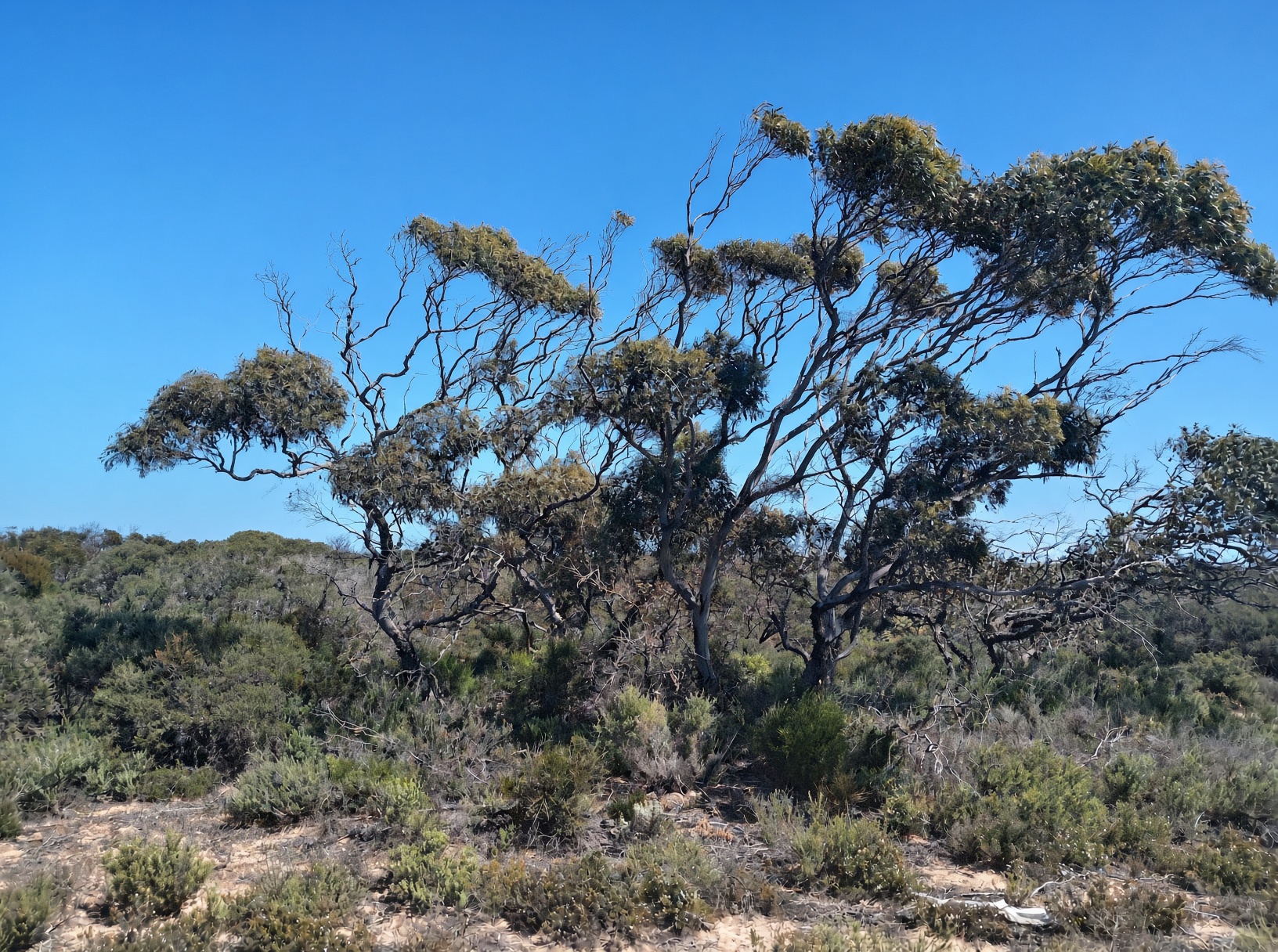
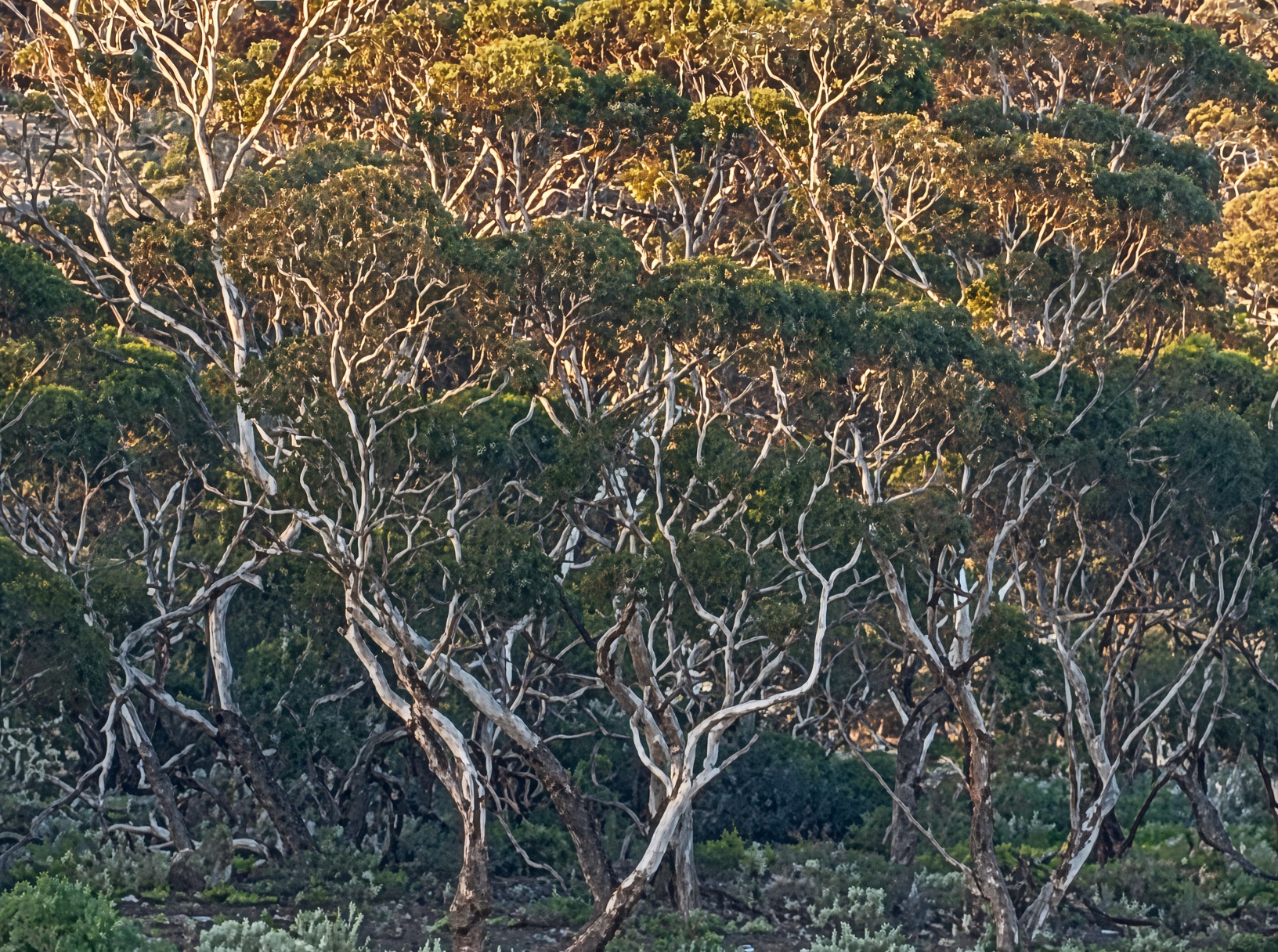
The trees tell the same story in a different hand. Near Madura the trunks are white and twisted, the canopy backlit, the ground beneath them no longer the bare litter of a hard season. On the eastern edge, around Penong, spear grass has come up through the fence lines and the old windmills stand in a crop they did not grow.
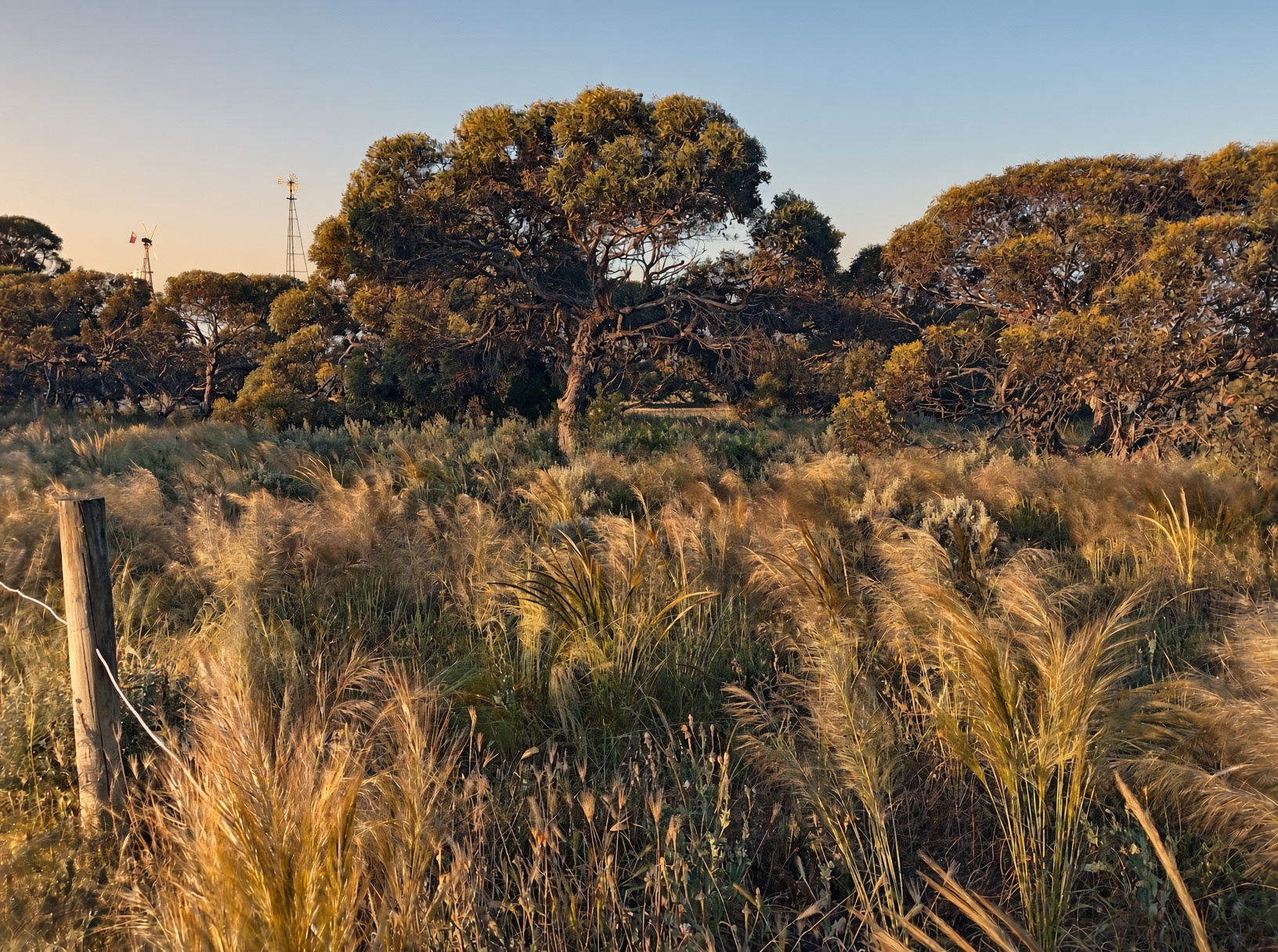
The mallee on the fringe of the plain is shaped by years of wind, branches raked one way, but the foliage is dense and the understorey has closed. This is still harsh country. The light is hard, the distances are the same, and a week of hot northerlies would put the brown back in the leaves. For the moment it is holding.
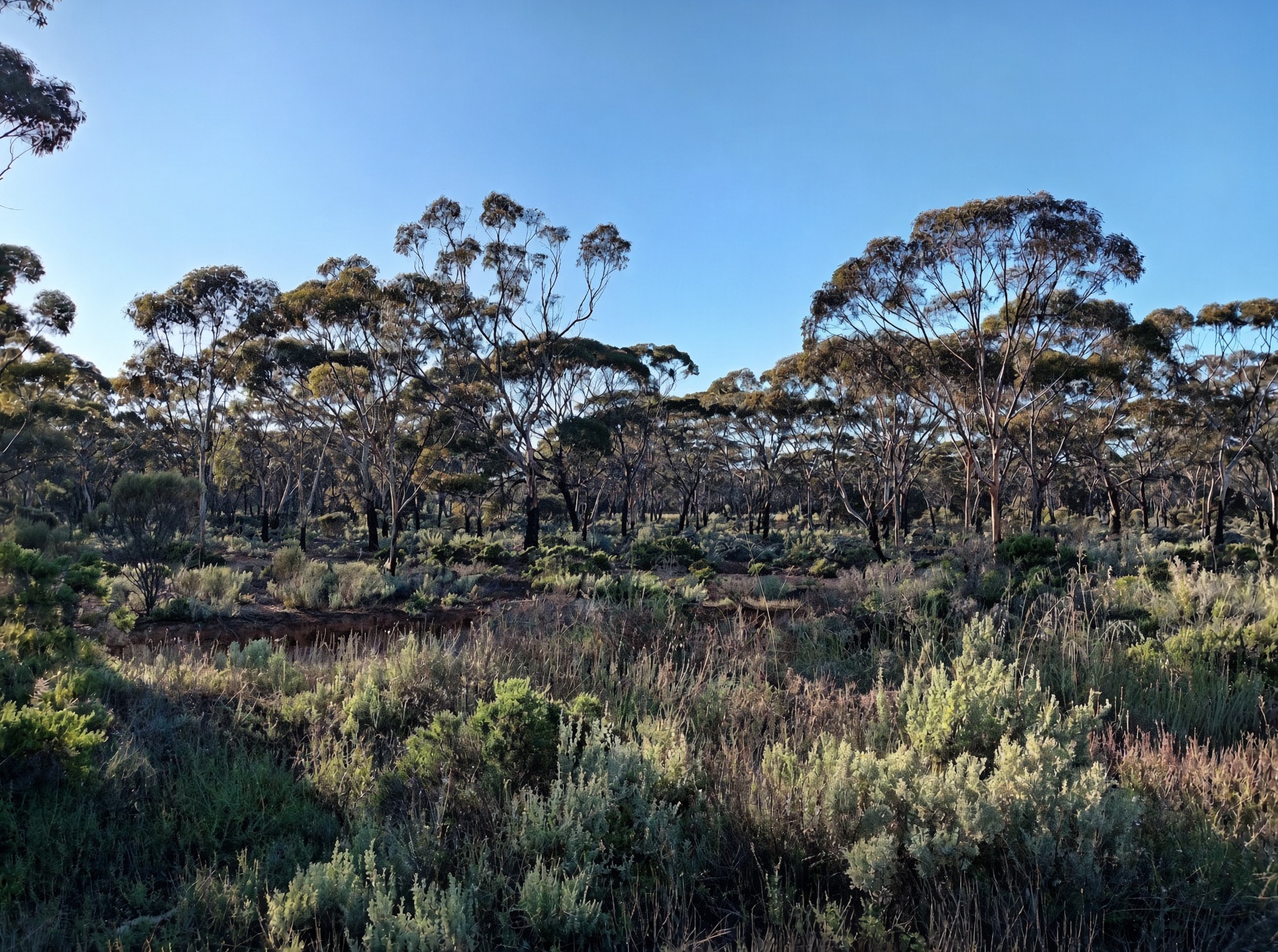
People who cross often say the Nullarbor is a mood more than a landscape. In a dry year the mood is exposure: the sky too large, the vegetation too thin to interrupt it. After this rain the sky is still large. The interruption is what surprises. Cloud banks sit on the horizon in the middle of the day. The verges are green enough to look briefly like somewhere else, until the next rise opens the plain again and corrects you.
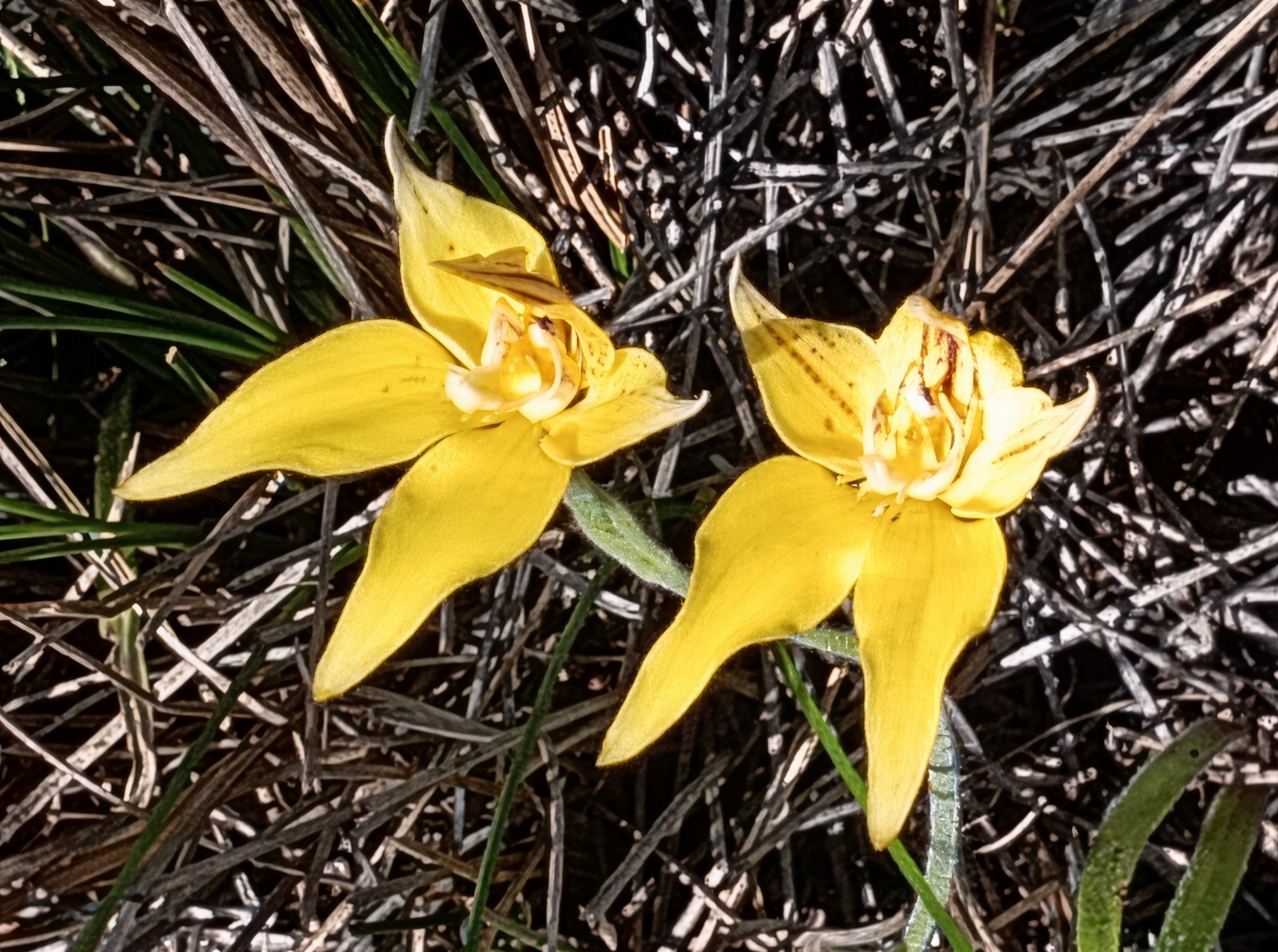
Further west the season has been louder. The south-west is in orchid time; a pair of yellow cowslips in the litter is a different abundance, coastal and expected. The Murray near Pinjarra, and the Murrumbidgee at Hay, are green because they are rivers. The Nullarbor is green because the rain arrived and the plants were still there. That is the photograph worth keeping: not a miracle, not a record officially kept, just the famous treeless plain, briefly, and unmistakably, in leaf.

Leave a Reply