
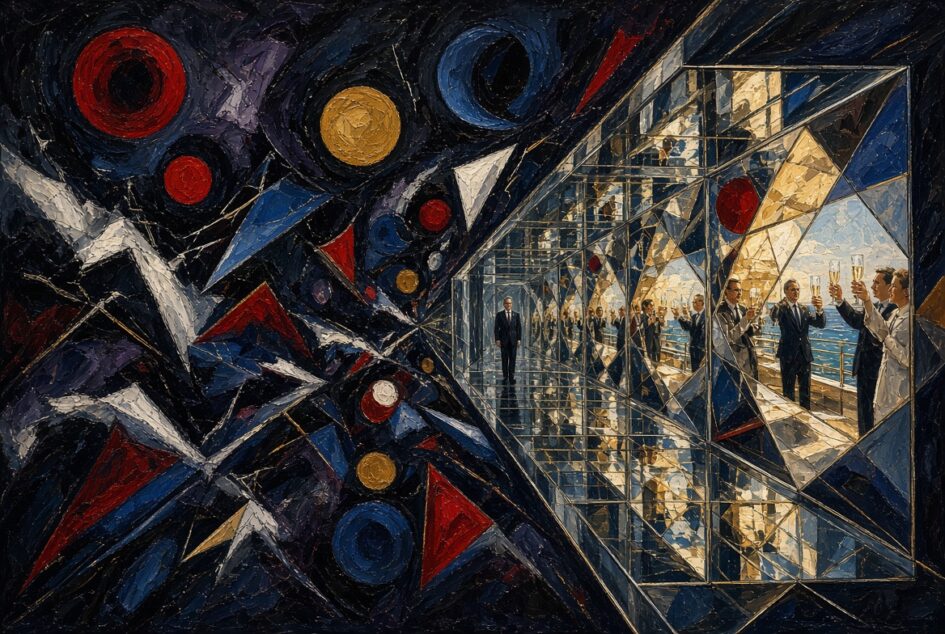
While Australians woke to the fifth interest rate rise of 2026 and mortgage repayments approaching levels last seen under Paul Keating, the Prime Minister was in the Caribbean boarding a billionaire’s low-carbon vessel with King Charles. The optics were as bad as the economics.
The headlines tell the story: Cup Day Cruelty: Albo Sips While Rates Rip; Peak Albo: Denies Blame From a Tropical Yacht While Households Bleed; Lost in Antigua: PM Jokes With the King as the RBA Delivers an 18-Year High; Five Hikes, Zero Responsibility: The Boy From Camperdown Becomes the Global Citizen Who Can’t Hear the Pain; Twiggy’s Green Pioneer, Albo’s Political Titanic; Record Lows: Albanese’s Ratings in Free Fall as One Nation Matches Labor.
The Reserve Bank lifted the cash rate 25 basis points to 4.85 per cent on Melbourne Cup Day — its highest since 2008 — in a narrow 6-3 vote. Governor Michele Bullock was blunt: Australians will feel like the country is in recession over the coming year. Inflation is broad-based, forecasts have been revised higher, and the return to the 2–3 per cent target band has been pushed out to late 2027.
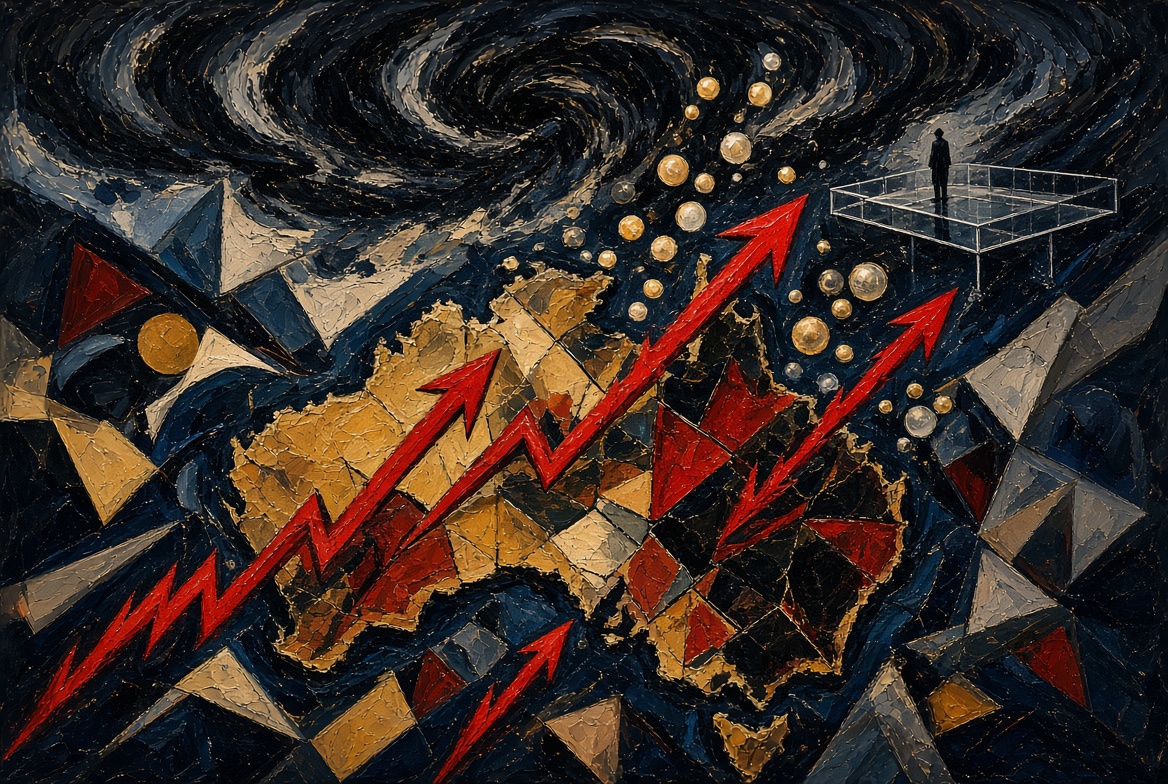
This was the fifth hike of the year. Households with big mortgages are now staring at thousands of dollars more in annual repayments on top of already brutal cost-of-living pressures.
Albanese was not in the room.
He was in Antigua and Barbuda for CHOGM, appearing with King Charles and Andrew “Twiggy” Forrest aboard Fortescue’s Green Pioneer. When asked why he was there while rates were rising, he told reporters it was because the King had invited him. Charles’s response, delivered with a smile, was pure gallows humour: “Oh God, so it’s all my fault — oh, no.”
Since Anthony Albanese took office in May 2022, Andrew Forrest’s Fortescue and related entities have received substantial government support for green energy projects. The Australian estimated in August 2025 that Fortescue and its associates had secured grants and commitments worth almost $190 million from state and federal governments.
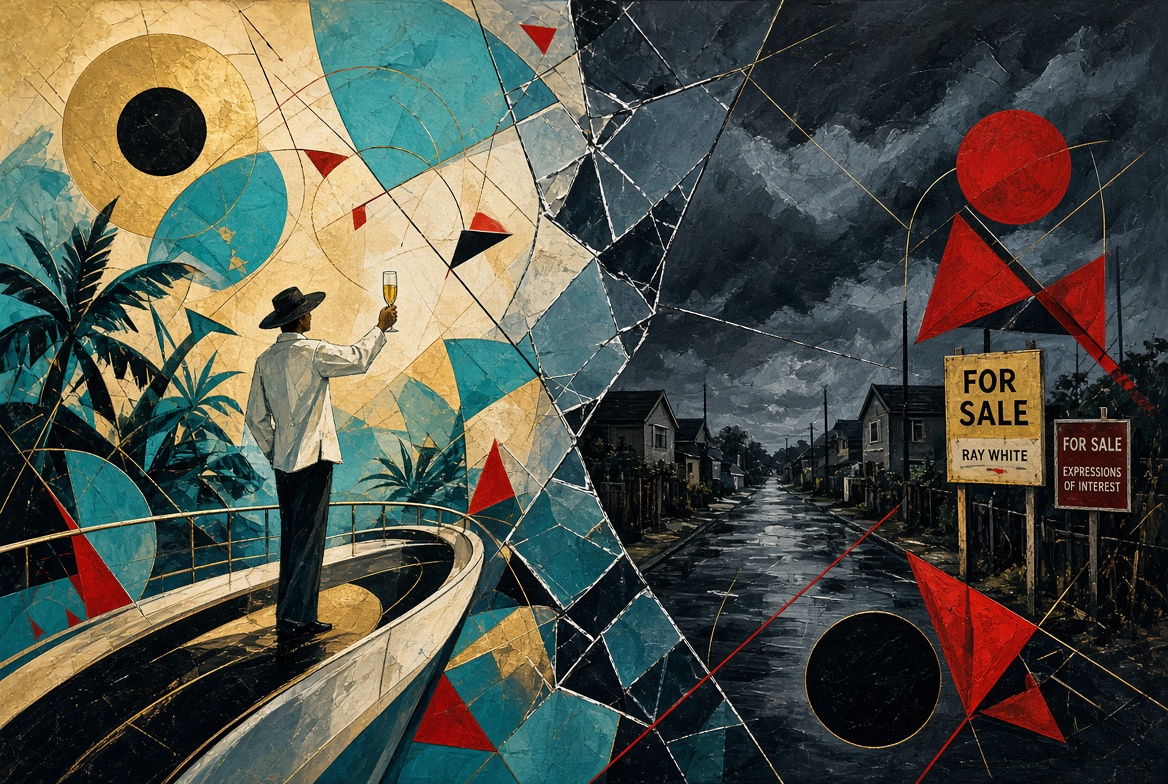
Back home the reaction has been savage. Editorials accused him of peak denial. Opposition figures described a “spending addiction” and a “lost decade.”
Longtime financial commentator David Koch, speaking for the millions already doing the heavy lifting, said monetary policy has failed and governments must now prove they will restrain their own spending rather than lecture households.
The polling tells the same story of collapse. In the AFR/RedBridge poll taken after the previous hike, Albanese’s net favourability crashed ten points to a record –27; Jim Chalmers fell to –23. Labor’s primary vote sat at 28 per cent while One Nation edged ahead on 29 per cent. Guardian Essential put his disapproval at 56 per cent — matching the equal-highest mark since he took office — with 61 per cent of voters saying the country is on the wrong track.
Newspoll showed a net approval of –23 and Labor’s primary at 27 per cent, equal to its term low. Preferred-prime-minister leads have narrowed to wafer-thin margins.
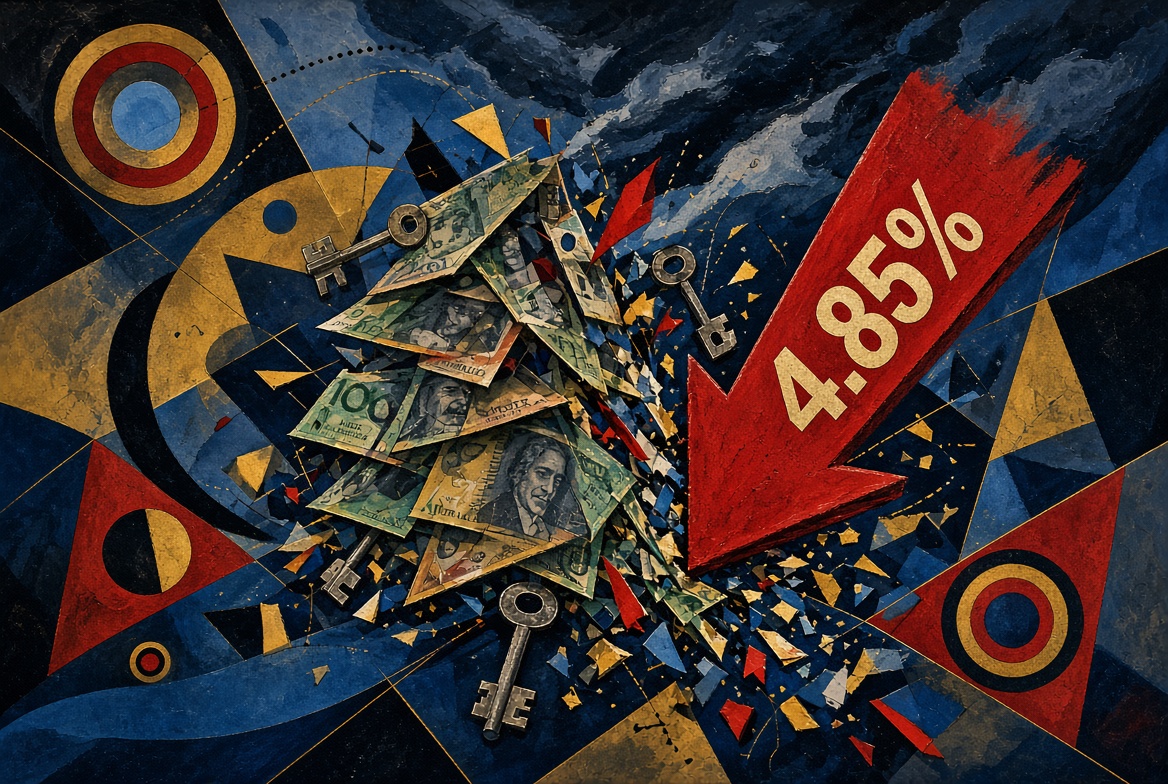
The free-fall has not paused for the latest rate rise; if anything the hostility has intensified.
Albanese’s response from the Caribbean has been the familiar deflection: the Middle East oil shock, the Coalition blocking his savings measures, the claim that he is already tightening the belt.
The RBA has noted domestic capacity pressures were evident before the latest geopolitical spikes. Voters, already battered by successive rises, are not buying the separation of “global factors” from the government’s own fiscal settings. The image of the Prime Minister on a green-branded vessel with a mining billionaire and the King, while the central bank warns of recession-like conditions, has become the perfect encapsulation of a government that appears to have lost the plot — and the country.
These are the darkest days of Albanese’s prime ministership not because of any single foreign summit, but because the domestic crisis is now undeniable, the political damage is compounding, and the man supposedly in charge is guzzling champagne at our expense.

Leave a Reply