To watch the interview with Cafe Locked Out and Ian Williamson go HERE.
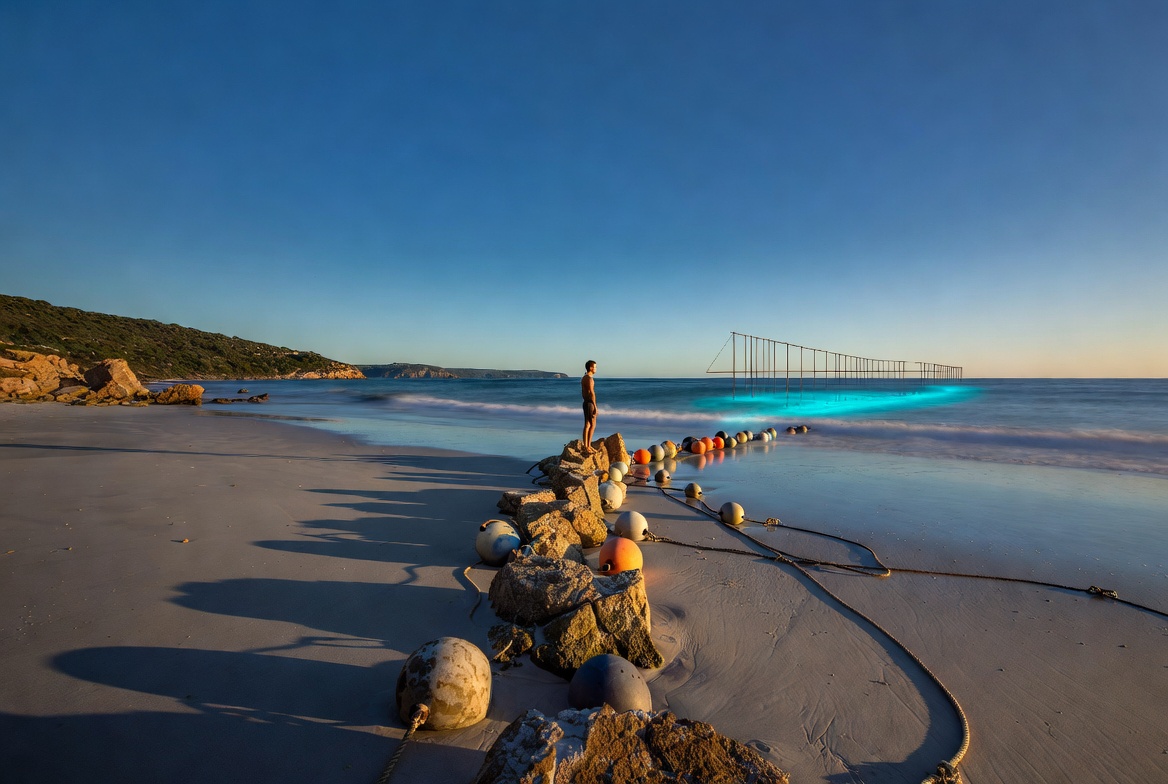
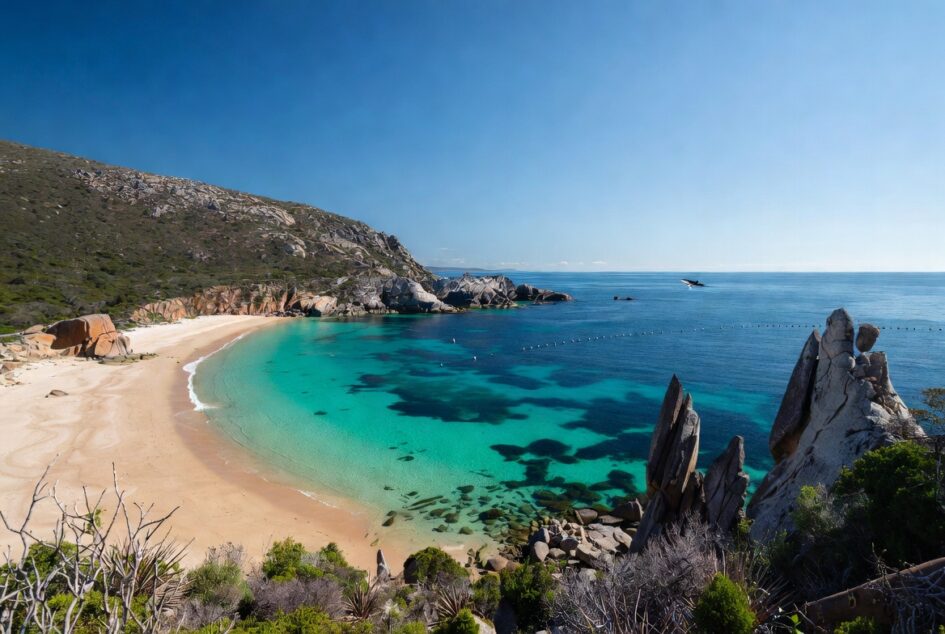
A pristine stretch of the New South Wales far south coast – widely regarded as one of the most beautiful and untouched marine environments on Australia’s east coast – is facing an industrial-scale threat. Disaster Bay, which directly abuts the Nadgee Nature Reserve (the state’s only declared coastal wilderness and a level of protection above national parks), is the proposed site for a 200-hectare commercial kelp farm.
If approved by the NSW Department of Planning, the project would place longline infrastructure, buoys, ropes and increased vessel traffic inside one of the region’s most ecologically sensitive and visually stunning wild places.The Protect Disaster Bay Group has issued a strong warning.
“Disaster Bay is widely regarded as the most pristine marine environment in the region,” says Lyn Pool. “Greenglades beach at the southern end of Disaster Bay and adjacent to the kelp farm site is the most accessible part of the Nadgee wilderness.”
The bay’s waters are a critical habitat and migration corridor. Whales, dolphins, fur seals, fairy penguins and other marine life – including critically endangered and vulnerable species – call the area home. It forms part of a “Blue Corridor” or superhighway for migrating humpback whales, with an estimated 40,000 individuals passing through each year.
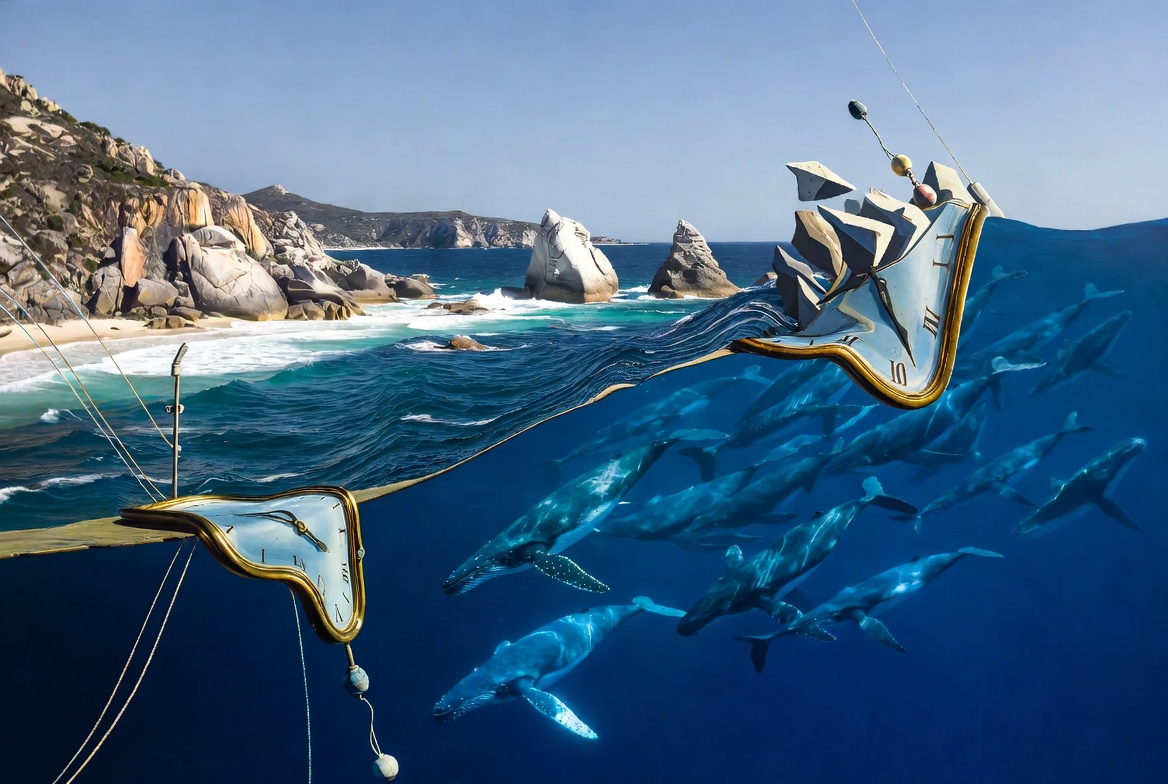
As whale numbers continue to recover, the risks of entanglement in the farm’s longline infrastructure rise.To date, according to the group, there is no solid evidence that AusKelp’s proposed mitigation measures will prevent entanglements of marine wildlife and seabirds. Increased vessel traffic within Disaster Bay and around Greencape to Twofold Bay will add further pressure. The farm’s harvesting and maintenance operations will also generate underwater noise. Research from the University of Melbourne has shown that human-made noise disrupts whale communication, increases stress levels and has been linked to strandings.
Disaster Bay earned its name from numerous historic shipwrecks – a reminder of its notoriously rough waters. The group warns that the kelp farm’s buoys and synthetic ropes run a high risk of damage and becoming adrift during storms and east coast lows. Plastic debris could then entangle and injure animals and birds, while microplastics from the synthetic rope would enter the pristine, unpolluted bay and the food chain. “Plastic fragments break down into increasingly small particles (microplastics) when exposed to sunlight and abrasion from wave action,” Pool notes.
The local benthic (seafloor) environment is also at serious risk. Shading from the infrastructure, anchors and the introduction of seaweed species not naturally occurring at the site could disrupt existing marine communities. The group points out that the Environmental Impact Statement (EIS) submitted by AusKelp is inadequate.
+Even the company’s own “snapshot benthic survey” – conducted in late winter when marine diversity is at its lowest – identified 74 fauna species and two algae on the sandy bottom and in the waters of the test site. Changes in water flow and the deposition of organic matter from the farm would alter the current ecological balance, introducing different animal communities. Scientific evidence shows that artificial kelp farm habitats support distinct ecosystems that are not equivalent to natural kelp forests.
The unnatural infrastructure also makes the cultivated kelp more vulnerable to disease (such as bacterial pathogens) and opportunistic predators (such as sea urchins), which could then spread to adjacent wild kelp communities.
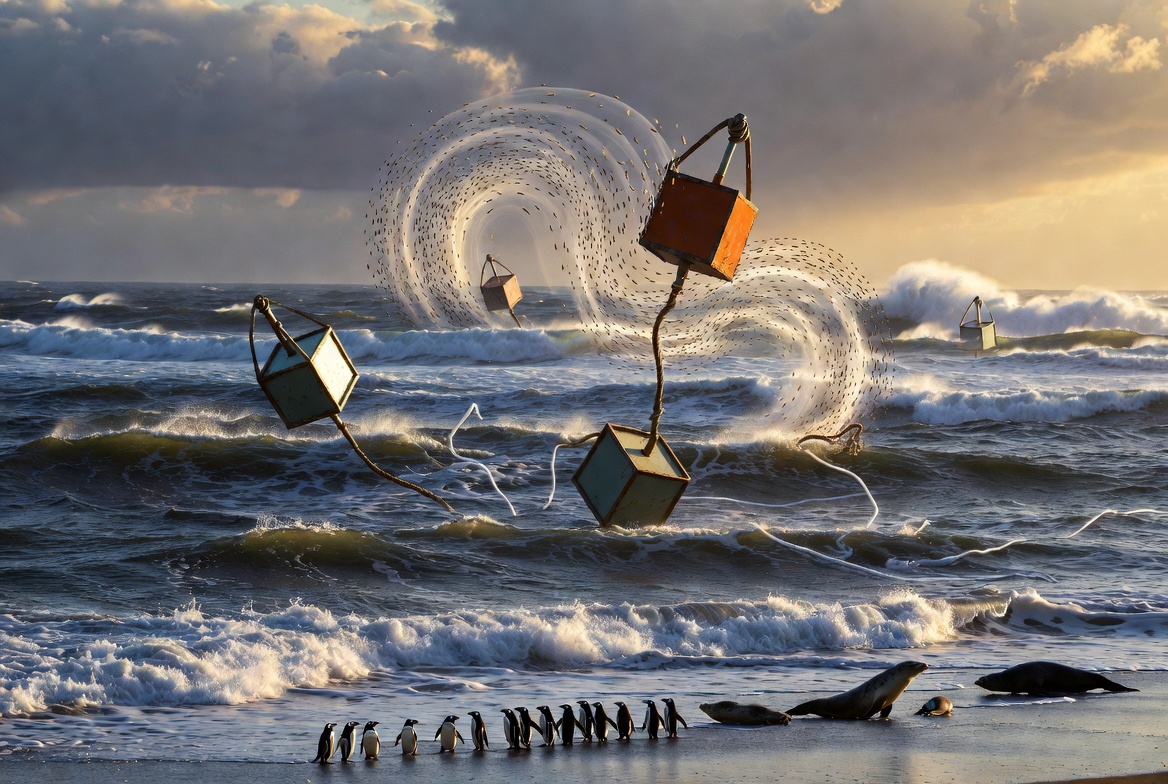
Acacia Rose of the Protect Disaster Bay Group highlights additional concerns: the proposed farm’s proximity to the mouth of the Merrica River – one of Australia’s most pristine waterways – and the unknown long-term impacts on shorelines, estuarine creeks and the river itself. The group also notes that while AusKelp claims ongoing Aboriginal consultation, the EIS lacks detailed feedback from Traditional Owners. The views and insights of Indigenous Elders with specific knowledge of the Disaster Bay site, they argue, must be properly included.
Beyond the ecological risks, the project would bring hectares of visible infrastructure – buoys, lights, increased vessel traffic, and potentially drones – into a place currently defined by its wildness and solitude. “Industry has no place in Disaster Bay,” Rose says. “Hectares of infrastructure and buoys, lights, increased vessel traffic, potentially drones and a greater human presence will have irreversible impacts on this wild place.”
Wilderness areas like Nadgee and Disaster Bay are increasingly rare, both in Australia and globally. They offer profound opportunities for people – including children – to connect with nature, with well-documented benefits to physical and mental health.
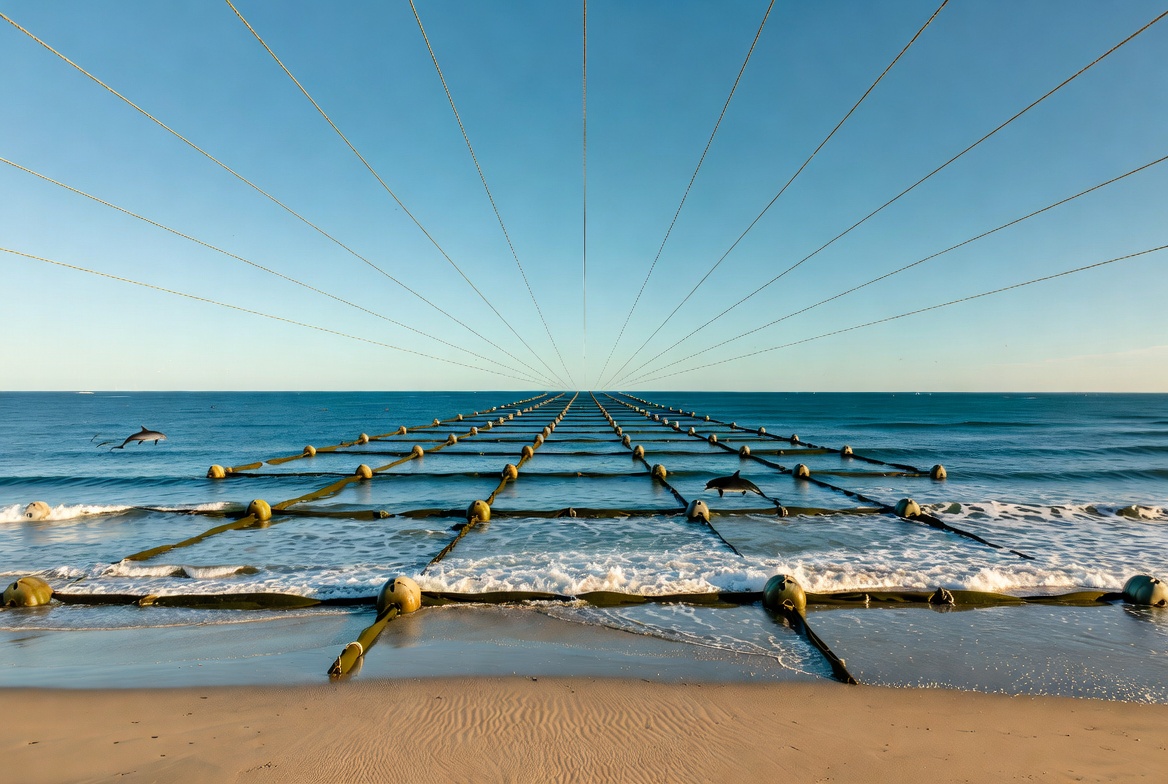
“This last coastal wilderness must be protected,” Rose emphasises.
Compounding the urgency is the extremely tight window for public input. The AusKelp (Eden 1) Environmental Impact Statement is currently on exhibition with the NSW Department of Planning and open for comment only until 8 May 2026 – just six days from today. Many locals have described the submission process as deliberately complex: it requires creating an account on the NSW Planning Portal, navigating technical documents, and meeting strict formatting requirements.
In response, concerned citizens have created a straightforward website to help people make submissions: www.disasterbay.earth.
The Protect Disaster Bay Group stresses that this is not simply a local issue. It is about whether one of Australia’s last truly wild coastal places will be sacrificed for industrial development at a time when wilderness values are under pressure everywhere. If you value these wild places, now is the time to act.
To watch the interview with Cafe Locked Out and Ian Williamson go HERE.